Sunday, January 03, 2010

Sunday word, 03 Jan 2010

Solemnity of Epiphany C (03 Jan 2010)

Is 60. 1-6; Ps 72; Eph 3. 2-3a,5-6; Mt 2. 1-12

Homily of Fr. Paul Panaretos, S.J.

The Other Truth


Celebrating the incarnation of God moves in a variety of directions. On the birthday of our Savior we celebrated God abiding with us in our human nature by being born of Mary. The Solemnity of the Holy Family focused on how we live the mystery of God with us. One direction the Solemnity of the Epiphany offers continues that focus and encourages our deep desires. Our deep desires, those longings for lives of intense meaning and vibrant activity for the sake of others, reveal us to ourselves as the people God created for the world and one another.
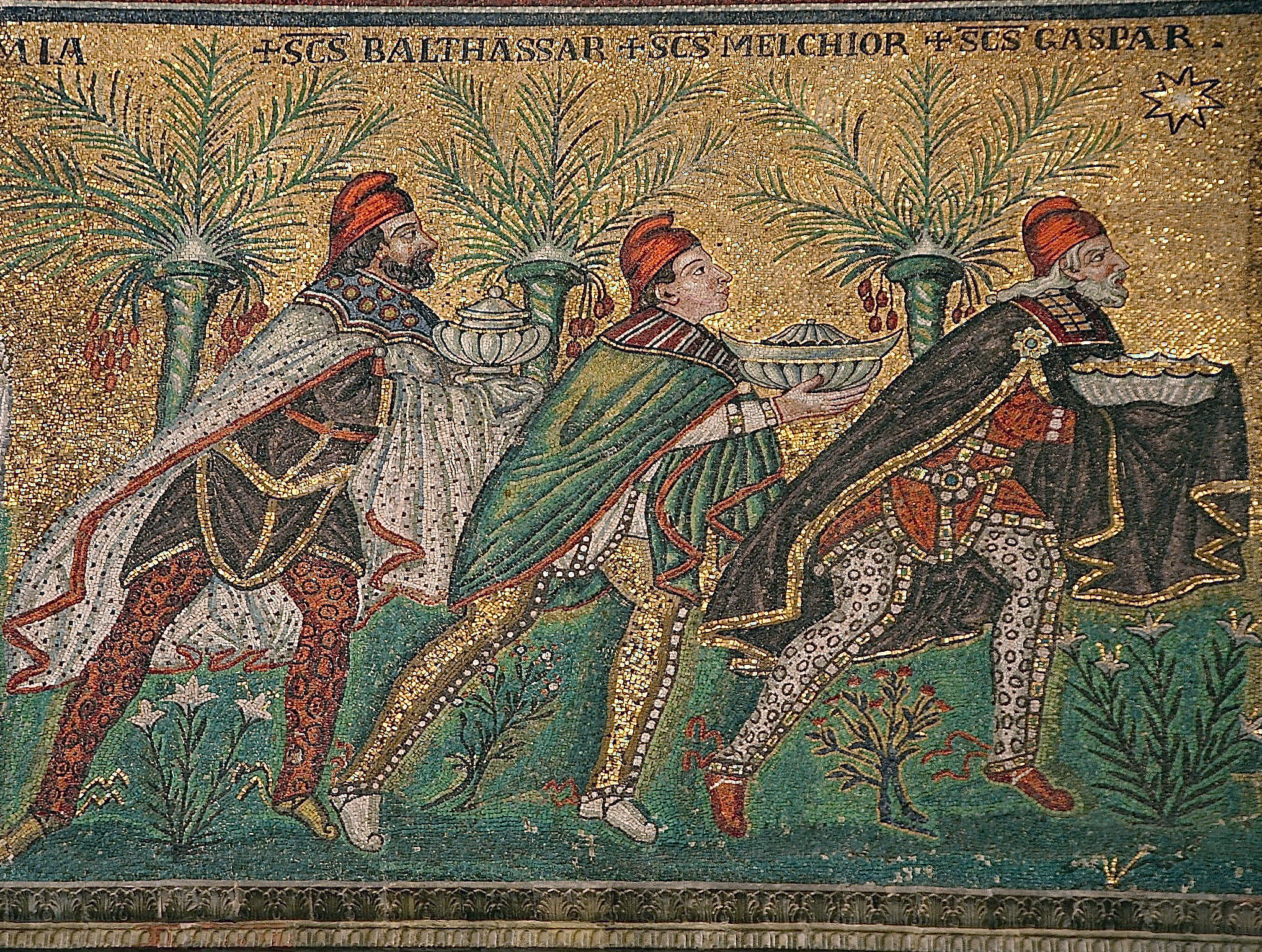

As the shepherds remind us of our poverty, the Magi stand for our splendid human dimensions, particularly our searching spirit, our restless hearts seeking the solace our Creator and Redeemer longs to give us. The Magi, by their words to Herod, their actions described before they arrived in David’s royal city—the logical place to seek a king but the wrong place—suggest being on a quest, which we know as seeking for the true king, the God-man Jesus. Of course, that’s true.


I invite you this year to consider another truth of the Magi: not losing what they found. To put that as a question, we can ask, “What was it like for the wise seekers from the east to return their country after discovering the newborn king of the Jews?” Surely, their exceeding joy at finding the child accompanied them. I think it changed them so that their lives were never the same.


How did they hold on to their transformed selves? They retold the story of their search, first to one another on their return, then to others who awaited them. They also lived what they had discovered. Matthew described what they did when they entered the house and found the child: the Magi prostrated themselves and did him homage. Then they opened their treasures. The treasures of their lives had been opened to them in ways they could not have appreciated before. They had been recreated!


This feast celebrated recreation in the early centuries of the church because it celebrated baptism on this day. People had sought God in Jesus: some heard preachers; others met Jesus in their neighbors or in a helpless child or a widow or an infirm man; still others, like the Magi, may have finally acted on the stirrings in their hearts. However it happened, Jesus transformed them into disciples. Our risen Jesus continues doing that. However it happened, Jesus transformed them into disciples.


Jesus has transformed us into disciples as well. One might say that being a disciple is being found by Jesus. That means every seeker is found by Jesus. Because Jesus has transformed us, how do we not lose him? Like the Magi returning to their country, we retell the story of our search and being found by Jesus and recreated by him as his disciples. We use scripture to retell our story because scripture is full of stories of search God and being found by God. We retell our story to one another, then to others. We discover or more often appreciate in startling ways the treasures of our lives as never before. We are recreated!


So that we do not lose our new selves, and so that we grow to be more clearly the people God created each of us, we bring to life our story of being found, being recreated, being transformed as Jesus’ disciples. We bring our stories to life by bringing Jesus to others, especially the least among us. Having an interest in them is the beginning. At Christmas we hear this interest as a ringing bell of the Salvation Army, and its 19th-Century founder put well our mission, too: “The first vital step in saving outcasts consists in making them feel that some decent human being cares enough for them to take an interest in the question of whether they are to rise or sink.”1


In your daily 15 minutes with Jesus this week, pause in the recreating light of our Triune God. Ask the Magi to present you to Jesus. Consider your gifts and thank Jesus for each one. Ask him for a deeper longing to live your baptism not only so you keep discovering Jesus but so you will bring others to him. Close by saying slowly the Lord’s Prayer. To pray thy will be done is to pray to become more aware who God created and to live as that person more honestly and with joy that transforms others.

____________

  1. William Booth (1829-1912) established the Salvation Army with his wife Catherine in 1865. I recorded the above quotation for my use from a Salvation Army mailing.
__________________________________________________________

Wiki-image by Nina-no of the Magi is used according to the Creative Commons Attribution ShareAlike 2.5 license.

Saturday, January 02, 2010

Saturday word, 02 Jan 2010

Bernard Harrigan & Catherine Edgar wedding (02 Jan 2010) 13. 2-7, 24-25a; Ps 71; Lk 1. 5-25

Homily of Fr. Paul Panaretos, S.J.

Noble Purpose


Catherine and Bernard, while others are making New Year’s resolutions, you are each other’s resolution; and not for a year but for a lifetime. You have resolved to enter life in a new way: as two individuals making one life together as spouses. I thank you for your candor with me in our conversations as you prepared yourselves to celebrate the Sacrament of Marriage and to begin today to live as one for the rest of your lives. I hope you will grow more open and honest with each other and that you open your hearts and your home to the ways Jesus desires to them and bless them.


One way Jesus has already blessed you is with your love for him and his church. Your identity with him and his church, after all, moved you to want to marry each other in his church. You know well that others marry in ways that suit them. Both of you wanted to marry in the context of the church, not because you need its blessing like a piece of furniture or art, which functions well or enhances your home. You want the Sacrament of Marriage because the church enhances you and helps you negotiate your ways in the world.


Today your ways become your way together. The reading from the Book of Tobit, you chose, emphasized that. It also recalled that God created you for each other. St. Paul offered you—and all of us—practical ways to fulfill that noble purpose for which God created you to make one life together. He summarized it as heartfelt compassion, which includes kindness, humility, gentleness, patience and forgiveness. The more singleminded you are about giving your relationship the same quality and effort as you have given it in learning each other, then the more you will find you practice all of those.


St. Paul invites you to clothe yourselves with the bond of perfection, his way of describing love. As you pray together, you will be loving as well as allowing Jesus to dwell in you richly. As you pray together, you will discern how to fulfill your noble purpose. As you live in the church, you will allow Jesus’ body to transform you more and more.


You will fulfill Jesus‘ commandment, to love one another selflessly. In your mutual love you will make Jesus present by the power of his Spirit: abide in my love, which was and is mutual love sealed by divine love. “As the Father has loved me, so I have loved you; abide in my love.”


Your mutual compassion for one another will fashion you from today as a domestic church.1 Your married life will help you save each other’s souls and welcome “children lovingly from God”2; your married life will also allow Jesus to work through you for the sake of the world. You will never lose your individual selves. Instead, both of you will strive to make one life together.


Even more than the way you give love, the way you receive love from each other will allow Jesus to guide you to fulfill your noble purpose, your mutual compassion. Jesus embodied and models compassion for you and for all, and continues creating you to be the man and woman God desires you to be for each other.


I’m proud of you and, I wish you every good thing. I congratulate you on behalf of the church. It is true that Jesus created you for one another. It is even more true that Jesus will create you each moment for everything ahead of you. Please remember that in pledging yourselves to each other you allow Jesus to work through you for the salvation of each other as well as our world. As you forge one life together Jesus begets something new: a new harmony to feel Jesus creating you and your mutual love for each other, and to help us and others feel Jesus recreating the world as the world sees you receive love as well as give it and abide in it.


______________

  1. Dogmatic Constitution on the Church, 11, of The Second Vatican Council.
  2. Rite of Marriage, Ch.2: 42.
______________________________________________
Wiki-image by Wolfgang Sauber of a Hands Window is used according to the Creative Commons Attribution ShareAlike 3.0 license. Wiki-image of a window depicting the Wedding at Cana is in the public domain.


Friday, January 01, 2010

Happy New Year! Eyes Heavenward

HAPPY 2010! May it be a prosperous, peaceful and healthy one for all!


The January night sky offers Saturn tilting more so that its rings are again visible; a meteor shower, which peaks on 05 January; and the planet Mars coming closest to Earth.

Sunday, December 27, 2009

Sunday word, 27 Dec 2009

Holy Family (27 Dec 2009)

Sir 3. 2-6, 12-14; Ps 128; 1Jn 3. 1-2, 21-24; Lk 2. 41-52

Homily of Fr. Paul Panaretos, S.J.

Up to Us Now


Celebrating the incarnation of God moves in a variety of directions. On the birthday of our Savior we celebrated God abiding with us and sharing our human nature by being born of Mary. Jesus began his human life, helpless and in need of care, nourishment and protection.


The Solemnity of the Holy Family continues celebrating the incarnation of God. The focus is on us: how we live the mystery of God with humans. The Book of Sirach highlights our interactions with one another urging patience above all. Patience with one another is not merely good manners. Patience with one another incarnates God’s merciful kindness, which more than a virtue, offers us divine life. Scripture connects it with freeing us of sin: patient kind-ness will not be forgotten, [it will be] firmly planted against the debt of [our] sins.


Patient kindness is one way that you and I take part in revealing the mystery of God with us. The incarnation joins us to God through Jesus by their Spirit. Holy Spirit is the revealing power of the mystery of God with us, and Holy Spirit makes this mystery known through us just as the Spirit did through the first Christians.


Holy Spirit widens our scope of family beyond family units to include communities of faith and the human community in its local and wider, even global, incarnation. The mystery of God with us is not imprisoned in the past. It isn’t a sentiment we take out, dust off and decorate once a year at Christmastime. The mystery of God with us is present and has the shape of the people God creates in every time and place. The mystery of God with us is now: so tiny a word yet always bursting the bonds of time! The First Letter of John made that clear: we are God’s children now.


The now of the mystery of God with us is ongoing opening and deepening discovery of being created anew. Jesus’ Spirit Jesus gave us to continue the revelation of God with us. Our choices to act patiently and kindly are part of being recreated; and our choices to act patiently and kindly join God in revealing the mystery of God becoming one with us and our daily progress in becoming one with God.


The mystery of God with us is mutual. The best image I can offer is our response to an infant. Lying on its back and looking up at an adult or even an older brother or sister, what does an infant naturally do? It raises its hands and feet upwards to us, and we bend toward the infant.


In a Christmas homily St. Bonaventure described the incarnation in harmony with how infants and we move together: “the eternal God has humbly bent down and lifted the dust of our human nature into unity with [God’s]own person.”1 With unmatched loving desire, we may say God could do nothing else but approach us and assume our nature so that we might again share the nature of God.


Beginning with the Holy Family and extending beyond family ties to all people, we are invited each day to imitate God bending toward us by how we are with one another. Simultaneously we are encouraged to reach toward each other in our needs, not only for help and for mutual strength but to allow others better to imitate our God of patient kindness. By that mutual enterprise we continue to advance[] in wisdom and age and favor before God and the human family.


In your daily 15 minutes with Jesus this week, pause in the presence of our Triune God. Ask Mary and Joseph to present you to Jesus. Allow Jesus to ask you that question he asked his parents: Why are you looking for me? Ask for the grace of honest courage; then in your words speak with Jesus your answer. It may come quickly; it may come after doing your daily 15 minutes more times during the week. Close saying slowly the Lord’s Prayer, which Jesus gave us to shape what we seek, what we speak and how we follow Jesus and find him.


____________

  1. Sermon 2, “On the Nativity of the Lord.” What Manner of Man? Sermons on Christ by St. Bonaventure, trans. Zachary Hayes (Chicago: Franciscan Herald Press, 1989), p. 57.
__________________________________________________________________
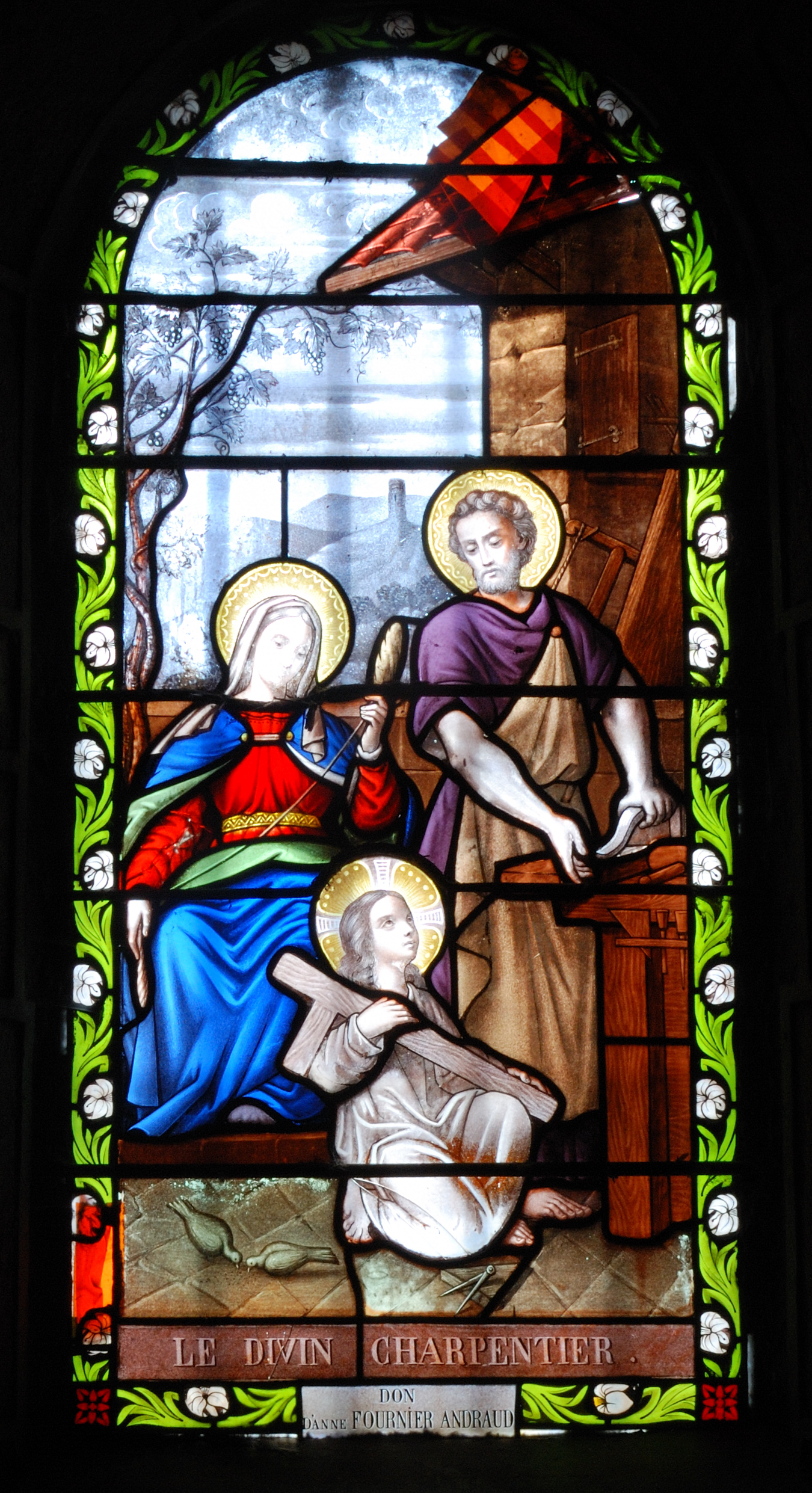
Wiki-image of a scene at Nazareth, the Divine Carpenter, is in the public domain.